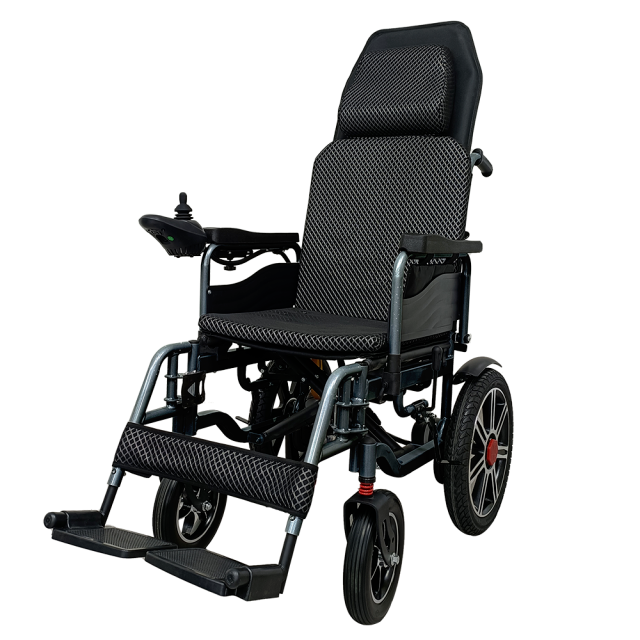
Electric Wheelchair Safety Standards & Anti-Tip Technology: What You Need to Know 2026
Safety is the top priority when choosing an electric wheelchair—especially for elderly users with limited balance, vision, or cognitive function. Every year, thousands of wheelchair-related accidents (falls, tips, collisions) occur globally, many due to poor design, low-quality materials, or lack of safety features. In 2026, strict safety standards and advanced anti-tip technology are non-negotiable for electric wheelchairs sold in medical and consumer markets. This article explains key safety certifications (ISO 13485, FDA, CE), critical safety features, how anti-tip technology works, and how to choose the safest electric wheelchair for elderly users.
1. Global Safety Standards for Electric Wheelchairs
Electric wheelchairs are classified as Class II medical devices in most countries, meaning they must meet strict safety and quality standards before sale. The most important certifications are:
1.1 ISO 13485 (International)
- Global gold standard for medical device quality management.
- Ensures the wheelchair is designed, manufactured, and tested for safety, reliability, and performance.
- Required for sale in Europe, Asia, Australia, and most of the world.
1.2 FDA (U.S.)
- FDA 510(k) clearance required for sale in the U.S.
- Tests for electrical safety, mechanical stability, battery safety, and user protection.
- Medicare/Medicaid only covers FDA-approved wheelchairs.
1.3 CE Mark (Europe)
- Required for sale in the European Union.
- Complies with EU safety, health, and environmental protection standards.
- Includes testing for electromagnetic compatibility (EMC) to prevent interference with other devices.
1.4 Common Safety Test Requirements
- Stability test: Must not tip over on slopes up to 10 degrees (forward/backward) and 5 degrees (sideways).
- Battery safety: Lithium-ion batteries must pass overcharge, short-circuit, and drop tests to prevent fires/explosions.
- Brake test: Electromagnetic brakes must engage within 0.5 seconds of releasing the joystick; hold the wheelchair stationary on 8-degree slopes.
- Weight capacity: Must support the rated weight (e.g., 120kg) without structural failure.
2. Critical Safety Features in Modern Electric Wheelchairs
2.1 Anti-Tip Wheels & Stability Design
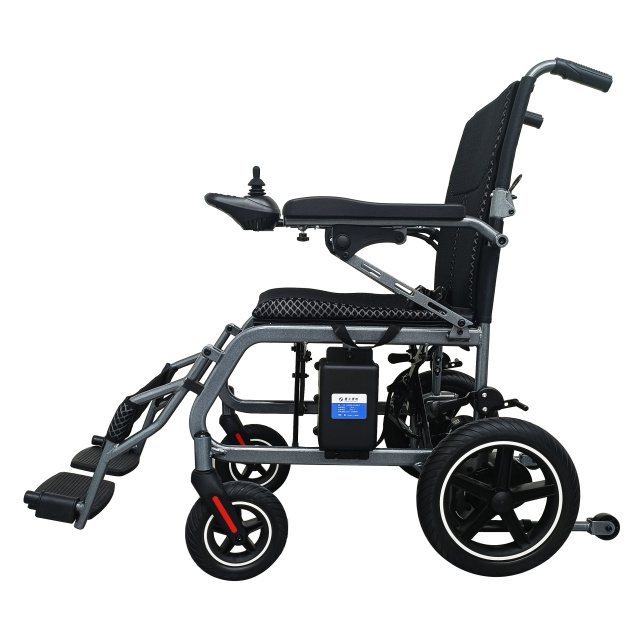
Anti-tip wheels are small, rear-mounted wheels that prevent backward tipping on slopes or uneven ground. They’re the most important safety feature for elderly users. Advanced models also have:
- Wide wheelbase: Wider distance between front/rear wheels improves side stability.
- Low center of gravity: Heavy components (battery, motor) mounted low to the ground reduce tipping risk.
- Reinforced frame: Aluminum alloy or steel frame with extra bracing for structural stability.
2.2 Electromagnetic Brakes (EMB)
Unlike manual brakes (which require physical force), electromagnetic brakes use magnetic force to auto-lock the wheels when the joystick is released. Key benefits:
- Instant engagement: Stops the wheelchair immediately—no rolling or sliding.
- Holding power: Maintains position on steep slopes (up to 10 degrees).
- Low maintenance: No brake pads to replace; lasts 5+ years with proper care.
2.3 Obstacle Detection & Collision Avoidance
Basic safety models have mechanical bumpers, while advanced models use ultrasonic sensors to detect obstacles and slow/stop the wheelchair automatically. This prevents collisions with walls, furniture, or people—critical for users with limited vision or slow reaction times.
2.4 Fire-Resistant Batteries & Wiring
Lithium-ion batteries are common in electric wheelchairs, but poor-quality batteries can overheat and catch fire. Safe models use:
- Fire-resistant battery cells: Samsung/LG cells with built-in thermal protection.
- Overcharge protection: Battery management system (BMS) stops charging when full.
- Insulated wiring: Heat-resistant, flame-retardant wires to prevent short circuits.
2.5 Visibility & Lighting
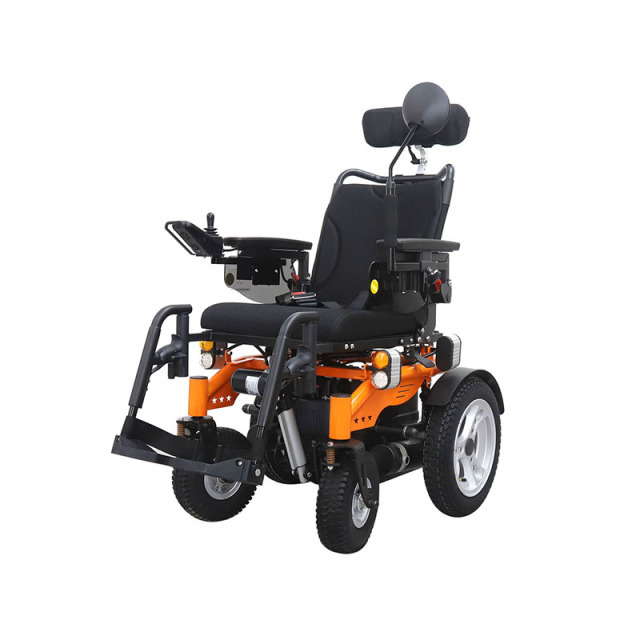
For outdoor use, LED headlights, taillights, and reflectors improve visibility to drivers and pedestrians. Some models also have flashing hazard lights for emergency situations.
3. How Anti-Tip Technology Works (2026 Innovations)
Anti-tip technology has evolved significantly in recent years, from basic rear wheels to smart, adaptive systems that adjust to terrain in real time.
3.1 Passive Anti-Tip Systems (Standard)
- Fixed rear anti-tip wheels: Mounted at a 45-degree angle, 5–10 cm above the ground.
- Function: If the wheelchair tilts backward, the wheels touch the ground and stop further tipping.
- Best for: Flat indoor use, gentle slopes (<5 degrees).
- Found in: Budget and mid-range models ($800–$1,500).
3.2 Active Anti-Tip Systems (Advanced)
- Sensor-controlled anti-tip wheels: Use gyroscopes and accelerometers to detect tilt angle.
- Function: If tilt exceeds 7 degrees, the wheels automatically extend downward for extra stability; retract when on flat ground for better maneuverability.
- Best for: Outdoor use, steep slopes (5–10 degrees), uneven terrain (grass, gravel).
- Found in: Premium models ($1,800–$3,000) like KS600 Smart and Pride Jazzy AI.
3.3 Smart Stability Control (Top-Tier)
- AI-powered stability algorithm: Analyzes terrain, speed, and user weight in real time.
- Function: Adjusts motor power, brake sensitivity, and anti-tip wheel position to prevent tipping before it happens.
- Best for: High-risk users (balance issues, vision impairment), complex outdoor environments.
- Found in: Clinical-grade models ($3,000+) like Permobil F5.
4. Common Safety Mistakes to Avoid
- Buying uncertified models: No ISO 13485/FDA/CE = high risk of accidents.
- Ignoring weight capacity: Overloading causes frame bending, brake failure, and tipping.
- Removing anti-tip wheels: Some users remove them for better maneuverability—this is extremely dangerous.
- Using non-recommended batteries: Third-party batteries may not have fire protection.
- Neglecting maintenance: Loose bolts, worn tires, or faulty brakes increase accident risk.
5. Top 5 Safest Electric Wheelchairs in 2026
- KS600 Safety Pro – Best overall ($1,299–$1,699), ISO 13485/FDA/CE certified, active anti-tip, EMB brakes, fire-resistant battery.
- Pride Jazzy Safe – Premium safety model ($2,299+), smart stability control, 10-degree slope stability, full lighting package.
- Permobil F3 Safe – Clinical-grade ($2,799+), reinforced steel frame, heavy-duty anti-tip, 150kg capacity.
- Hubang H3 Safety – Budget safe model ($799–$999), passive anti-tip, EMB brakes, ISO 13485 certified.
- Ossenberg Secure – European safety standard ($1,499–$1,899), wide wheelbase, low center of gravity, anti-collision sensors.
6. Conclusion
Safety should always be the first consideration when buying an electric wheelchair. In 2026, look for ISO 13485/FDA/CE certification, active anti-tip technology, electromagnetic brakes, and fire-resistant batteries to ensure the safest experience for elderly users. Avoid uncertified, cheap models—they put lives at risk. Remember: a safe wheelchair is not just a mobility aid; it’s a lifeline for independence and peace of mind.