The Future of Electric Wheelchairs: Innovations to Watch in 2026 and Beyond
Electric wheelchairs have come a long way in recent years, with advances in technology making them more portable, comfortable, and functional than ever before. As we enter 2026, the future of electric wheelchairs looks even brighter, with new innovations and technologies set to revolutionize mobility assistance. In this article, we’ll explore the top innovations to watch in electric wheelchairs in 2026 and beyond.
1. Smart Electric Wheelchairs: Smart technology is making its way into electric wheelchairs, with features like Bluetooth connectivity, GPS navigation, and smartphone integration. Smart wheelchairs can be controlled via a smartphone app, allowing users to adjust speed, direction, and settings with ease. They also have built-in sensors that detect obstacles and automatically avoid them, making navigation safer and easier. Some smart wheelchairs even have voice control, allowing users to operate the wheelchair hands-free.
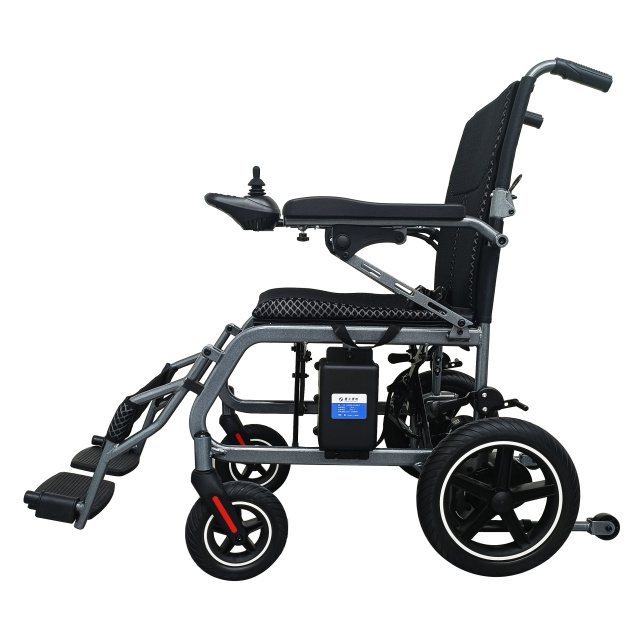
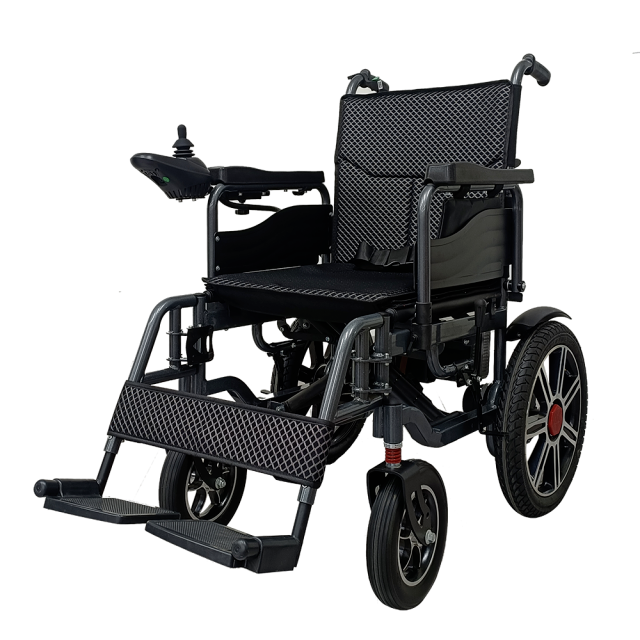
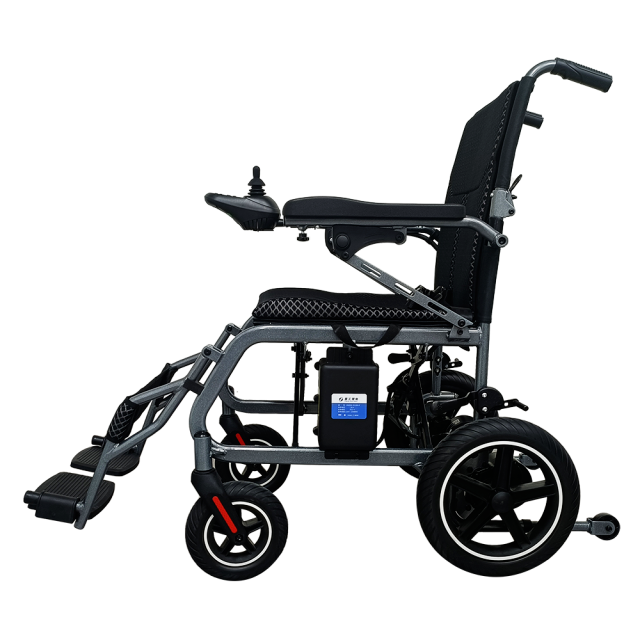
2. Lightweight and Foldable Designs: Manufacturers are continuing to focus on making electric wheelchairs lighter and more portable. New materials like carbon fiber and aluminum are being used to create wheelchairs that weigh less than 40 pounds, fold in seconds, and fit in most car trunks. These lightweight designs make it easier for users to travel, store, and transport their wheelchairs.
3. Improved Battery Technology: Battery technology is advancing rapidly, with lithium-ion batteries becoming more efficient and longer-lasting. In 2026, we can expect electric wheelchairs with batteries that have a range of 20–30 miles on a single charge, and charge times as short as 1 hour. Some batteries even have solar charging capabilities, allowing users to charge their wheelchair using sunlight—perfect for outdoor use.
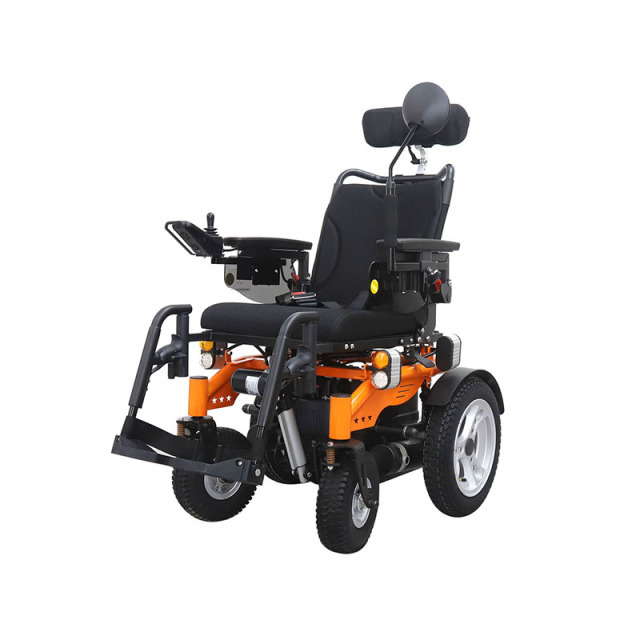
4. Standing and Reclining Features: More electric wheelchairs are now offering standing and reclining features, which provide users with greater flexibility and comfort. Standing wheelchairs allow users to stand up independently, which can improve circulation, reduce pressure on the body, and make it easier to reach items. Reclining wheelchairs allow users to recline the backrest to a fully flat position, making it easier to rest or sleep.
5. AI-Powered Navigation: AI-powered navigation is set to revolutionize electric wheelchairs, with systems that can map routes, avoid obstacles, and even predict user needs. These systems use cameras and sensors to detect the environment, and AI algorithms to make real-time decisions. For example, an AI-powered wheelchair can automatically adjust its speed based on the terrain, or navigate to a specific location using GPS.
6. Customizable Designs: Electric wheelchairs are becoming more customizable, with users able to choose from a variety of colors, materials, and features to suit their personal style and needs. Some manufacturers even offer custom seat sizes, armrests, and footrests to ensure a perfect fit. Customizable designs allow users to express their personality and make their wheelchair feel like their own.
7. Eco-Friendly Materials: As sustainability becomes more important, manufacturers are using eco-friendly materials to create electric wheelchairs. Recycled plastics, bamboo, and other sustainable materials are being used to reduce the environmental impact of wheelchair production. Some wheelchairs even have biodegradable components, making them more environmentally friendly.
The future of electric wheelchairs is all about improving independence, comfort, and accessibility. With these innovations, electric wheelchairs will become more than just mobility aids—they will be smart, customizable, and eco-friendly tools that help users live their best lives. Whether you’re a user, a caregiver, or a healthcare professional, these innovations are sure to make a positive impact on the world of mobility assistance.