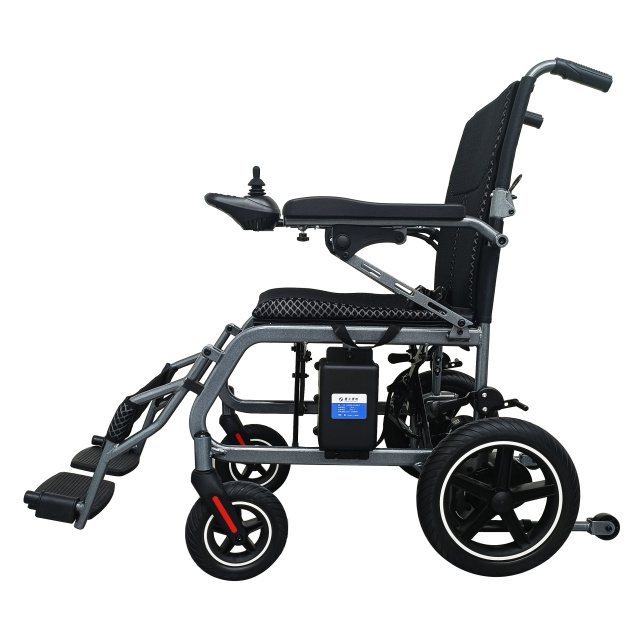
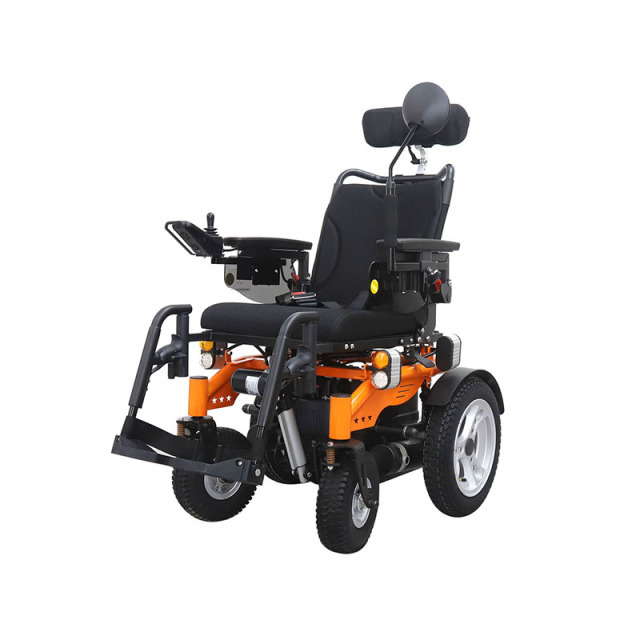
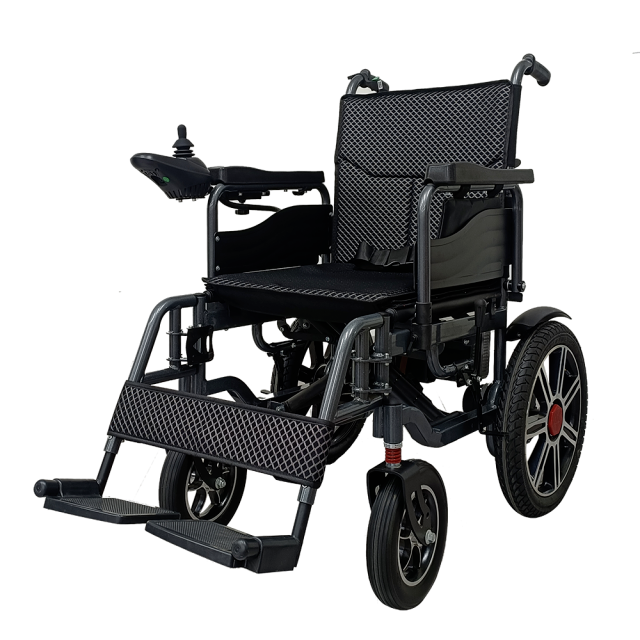
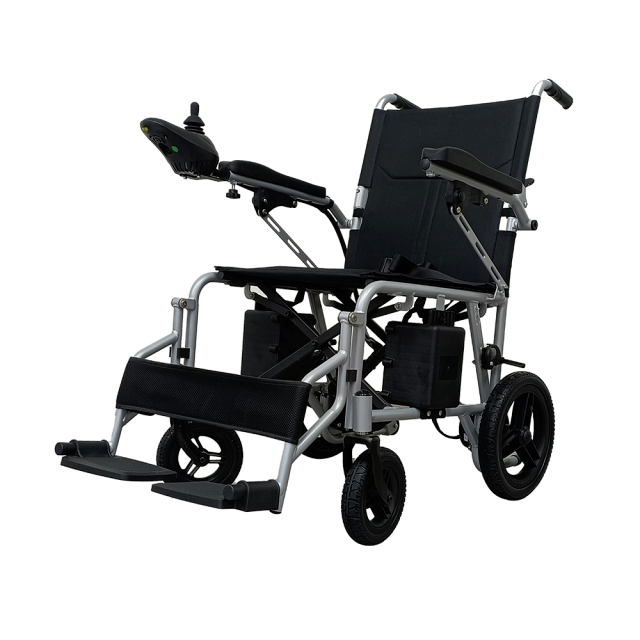
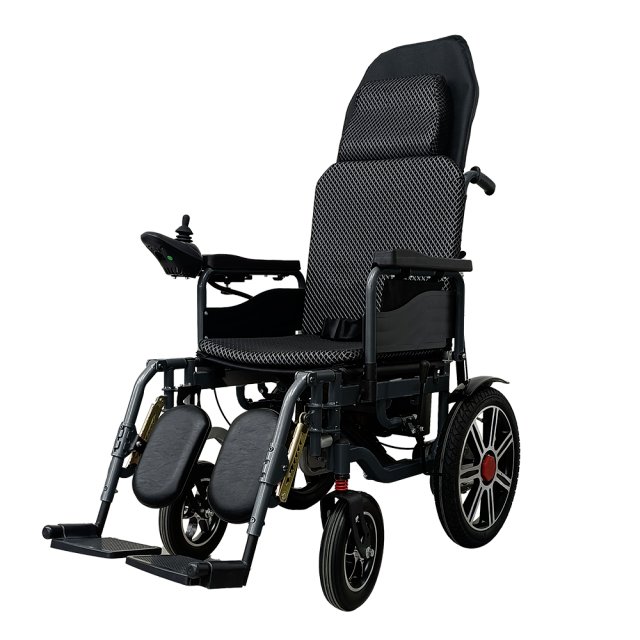
Smart Electric Wheelchairs with AI & App Control: Future of Elderly Mobility 2026–2030
The electric wheelchair industry is undergoing a digital revolution, moving from basic mobility devices to smart, connected assistive robots. In 2026, AI-powered electric wheelchairs with app control, voice commands, obstacle avoidance, and remote monitoring are no longer science fiction—they’re top-selling products for tech-savvy seniors and caregivers. The global smart wheelchair market is growing at a CAGR of 12.5% (2026–2033), faster than the overall electric wheelchair market, as users demand more independence, safety, and convenience. This article explores how AI and IoT are transforming electric wheelchairs, key smart features, top models, and why investing in a smart wheelchair is a game-changer for elderly mobility.
1. What Is a Smart Electric Wheelchair?
A smart electric wheelchair integrates AI, IoT, and sensor technology to enhance safety, autonomy, and user experience beyond basic joystick control. Core smart features include:
- App connectivity: Control wheelchair via smartphone (iOS/Android), adjust speed, track location, monitor battery.
- Voice control: Hands-free operation (“go forward,” “stop,” “turn left”) for users with limited hand mobility.
- AI obstacle avoidance: Ultrasonic/radar sensors detect obstacles and auto-adjust path to prevent collisions.
- Remote monitoring: Caregivers can track user location, speed, and battery status in real time; receive alerts for falls or low battery.
- Health monitoring: Built-in sensors track heart rate, posture, and pressure points to prevent bedsores and monitor overall health.
2. Key Drivers of Smart Wheelchair Adoption
2.1 Aging Population & Caregiver Shortages
By 2030, 1 in 6 people worldwide will be aged 65+, leading to a global shortage of professional caregivers. Smart wheelchairs reduce caregiver workload by enabling independent mobility and remote monitoring—caregivers can assist from anywhere via app, reducing in-person check-ins. In China, where 55 million elderly are disabled, smart wheelchairs are seen as a solution to the “caregiving crisis”.
2.2 Tech-Savvy Seniors & Family Demand
Today’s elderly (60–75 years old) are more tech-literate than previous generations—many use smartphones, tablets, and smart home devices. They want mobility aids that fit their digital lifestyle, not just medical equipment. Adult children also drive demand: they want to monitor their aging parents’ safety and mobility remotely, especially if they live far away. In the U.S., 78% of adult children of seniors with mobility issues say remote monitoring is a “must-have” feature when buying a wheelchair.
2.3 Government & Insurance Support for Smart Assistive Tech
Governments worldwide are investing in smart elderly care to reduce healthcare costs. In China, the “14th Five-Year Plan for Aging” includes subsidies for smart assistive devices like electric wheelchairs. In the U.S., Medicare now covers 80% of the cost of medically necessary smart wheelchairs with remote monitoring, making them affordable for low-income seniors. Insurance reimbursement is a major driver of smart wheelchair sales in North America and Europe.
3. Top Smart Features to Look for in 2026
3.1 AI Obstacle Avoidance & Autonomous Navigation
The most critical smart feature for safety: 360-degree ultrasonic sensors detect obstacles (walls, furniture, people) up to 3 meters away. The AI algorithm calculates the safest path and auto-adjusts speed/direction to avoid collisions. Top models like the KS600 Smart and Pride Jazzy AI can navigate crowded rooms, narrow hallways, and even outdoor sidewalks autonomously—perfect for users with limited vision or cognitive impairment.
3.2 App Control & Remote Management
Smart wheelchair apps (available on iOS/Android) offer:
- Full wheelchair control: Move, stop, turn, adjust speed (1–6 km/h) via touchscreen.
- GPS tracking: Real-time location sharing with caregivers; geofencing alerts if user leaves a safe area (e.g., home neighborhood).
- Battery monitoring: Remaining range, charging status, and low-battery alerts.
- Maintenance reminders: Alerts for tire pressure, brake checks, and motor servicing.
3.3 Voice Control & Multimodal Interaction
For users with limited hand mobility (e.g., arthritis, stroke), voice control is a lifesaver. Smart wheelchairs support natural language commands in multiple languages (English, Mandarin, Spanish). Some models also offer head control (via head sensors) or eye-gaze control (for users with severe disabilities like ALS).
3.4 Fall Detection & Emergency Alerts
Falls are the leading cause of injury in elderly users. Smart wheelchairs have accelerometer sensors that detect sudden movements (falls, tips) and automatically send alerts to caregivers via app/SMS, along with the user’s exact GPS location. Some models also have a one-touch emergency button that calls 911 or a caregiver hotline.
4. Top Smart Electric Wheelchairs in 2026
- KS600 Smart AI Wheelchair – Best value ($1,499–$1,899), 25km range, app/voice control, obstacle avoidance, fall detection.
- Pride Jazzy AI – Premium model ($2,999+), autonomous navigation, 30km range, carbon fiber frame, health monitoring.
- Permobil F5 Smart – Clinical-grade ($3,499+), remote monitoring for hospitals/rehab centers, 35km range, heavy-duty motor.
- Hubang Smart X1 – China’s top smart model ($1,299–$1,599), compact design, app control, 20km range.
5. Challenges & Future Outlook (2027–2030)
5.1 Current Challenges
- High cost: Smart models cost 30–50% more than basic electric wheelchairs.
- Tech complexity: Some elderly users struggle with app setup and operation.
- Battery life: AI/sensor features drain battery faster (range reduced by 10–15%).
5.2 Future Trends
- Lower prices: Mass production and competition will bring smart wheelchair prices down to $1,000–$1,500 by 2028.
- Better battery tech: Solid-state batteries will extend range to 40–50km by 2029.
- Integration with smart homes: Wheelchairs will connect to smart lights, doors, and thermostats for full home automation.
- Advanced AI: Machine learning algorithms will learn user habits and optimize navigation for individual preferences.
6. Conclusion
Smart electric wheelchairs are not just a trend—they’re the future of elderly mobility. By combining AI, IoT, and user-centric design, these devices empower seniors to live independently, safely, and with dignity, while giving caregivers peace of mind. As prices fall and tech becomes more intuitive, smart wheelchairs will become the standard choice for elderly mobility by 2030.