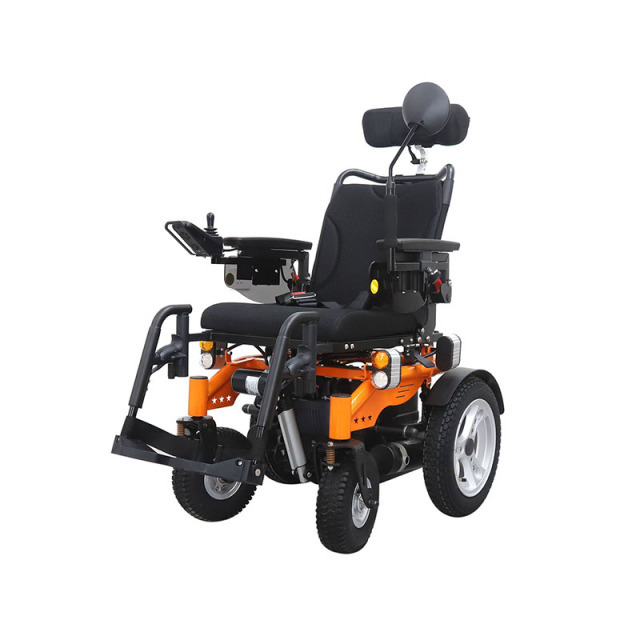
Lightweight Foldable Electric Wheelchairs: Top Buying Guide for Elderly Travel & Home Use 2026
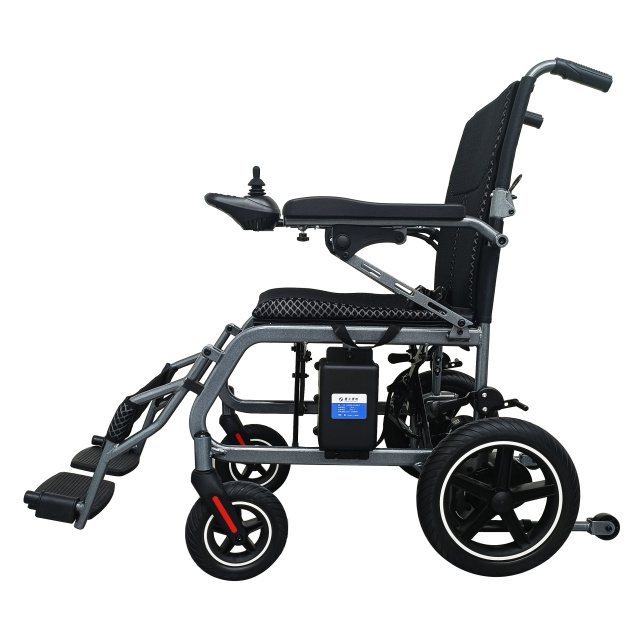
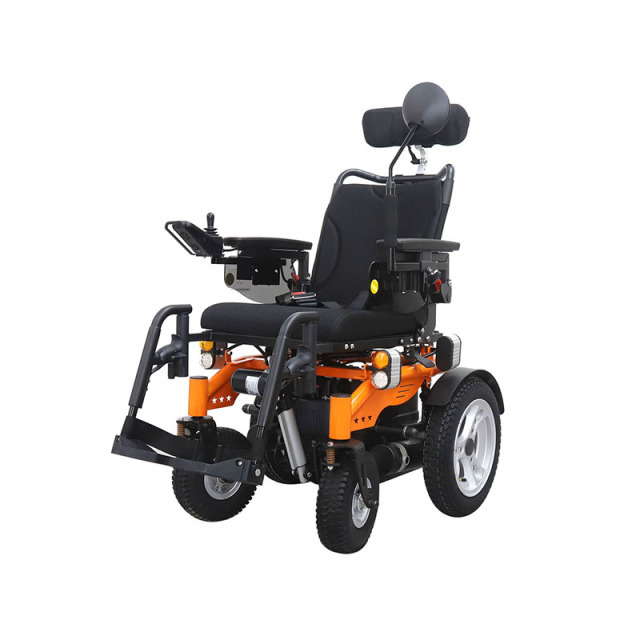
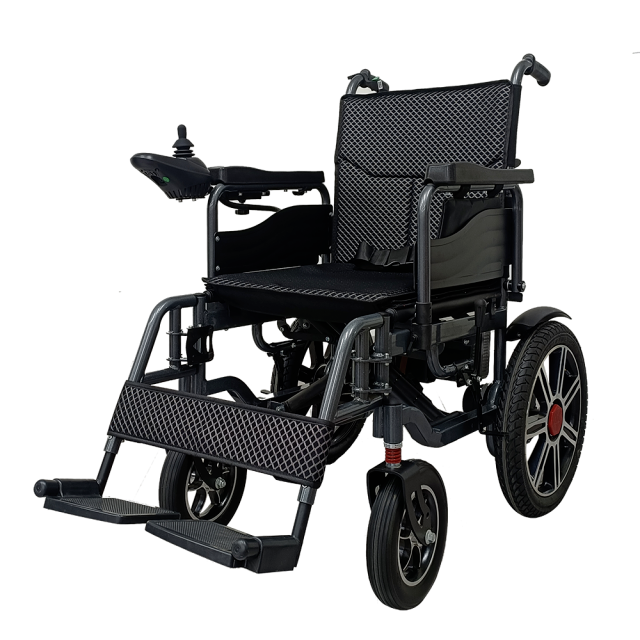
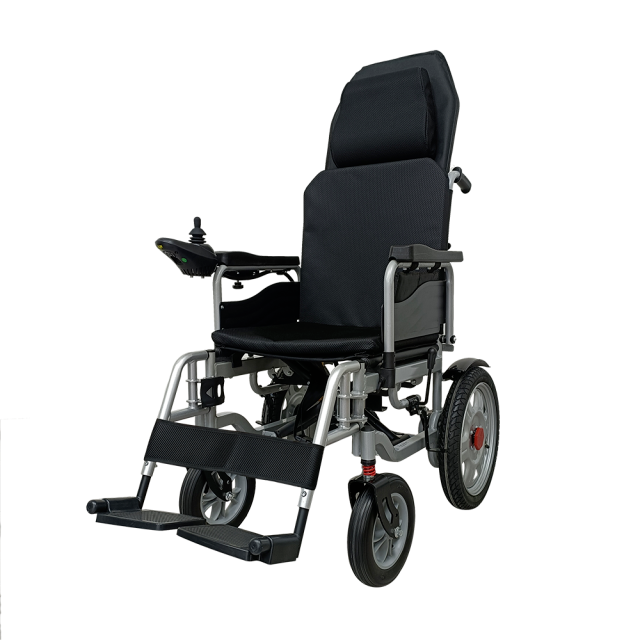
The global electric wheelchair market is expanding at a CAGR of 9.9% (2026–2036), reaching USD 14.9 billion in 2026 and projected to hit USD 38.4 billion by 2036 (Future Market Insights). Among all segments, lightweight foldable electric wheelchairs have emerged as the fastest-growing category, driven by aging populations, rising travel demand, and smaller living spaces in urban areas. For elderly users and their caregivers, choosing a portable power wheelchair is no longer just about mobility—it’s about independence, comfort, and quality of life. This guide explores why foldable models dominate 2026 sales, key features to compare, top-rated products, and how to select the best lightweight electric wheelchair for your needs.
1. Why Lightweight Foldable Electric Wheelchairs Are Booming in 2026
1.1 Demographic Shift: Aging Population Fuels Demand
By 2025, China’s population aged 60+ will reach 303 million, with over 55 million disabled or semi-disabled elderly (National Bureau of Statistics). In the U.S., the senior population (65+) is expected to grow from 56 million in 2020 to 73 million by 2030, increasing mobility assistance needs dramatically. Traditional heavy electric wheelchairs (25–40 kg) are difficult to transport in cars, taxis, or planes, making lightweight foldable models (15–22 kg) the preferred choice for daily use and travel.
1.2 Urbanization & Small Living Spaces
Over 68% of China’s population lives in cities, with many elderly residing in apartments with narrow doorways, elevators, or storage areas. Foldable electric wheelchairs can be collapsed in 10–15 seconds to a compact size (≈70×60×30 cm), fitting easily under beds, in closets, or car trunks. This “space-saving” advantage has made them the top-selling segment in first-tier cities, where online sales of portable wheelchairs surged 68% year-over-year in 2025 (JD Health).
1.3 Travel & Active Lifestyle Trends
Modern elderly users reject the “homebound” stereotype—they want to travel, visit family, go shopping, or enjoy outdoor activities. Foldable electric wheelchairs are airline-approved (most models meet FAA carry-on size limits) and can be transported in SUVs, vans, or even small hatchbacks. In Europe and North America, travel-friendly power wheelchairs now account for 35% of total electric wheelchair sales, as seniors prioritize mobility freedom over institutional-style heavy equipment.
2. Key Features to Compare When Buying a Lightweight Foldable Electric Wheelchair
2.1 Weight & Folding Mechanism
- Ideal weight: 15–18 kg (easy for one person to lift/carry)
- Folding type: Vertical folding (slimmer, easier to store) vs. horizontal folding (wider but more stable)
- Frame material: Aluminum alloy (lightweight, rust-resistant) vs. carbon fiber (ultra-light, expensive—used in premium models like Pride Jazzy Carbon)
2.2 Battery Life & Range
- Lithium-ion batteries: Standard in 2026 (lighter, longer lifespan, faster charging)
- Range: 15–30 km per charge (sufficient for daily errands; 20+ km recommended for travel)
- Charging time: 2–4 hours (fast-charge models available)
2.3 Motor Power & Maneuverability
- Motor wattage: 250W–500W (250W for flat indoor use; 500W for outdoor hills/rough terrain)
- Drive system: Mid-wheel drive (best maneuverability, 38% market share) vs. front/rear-wheel drive
- Turning radius: <80 cm (critical for small rooms/elevators)
2.4 Safety & Comfort
- Anti-tip wheels: Prevent backward falls on slopes
- Electromagnetic brakes: Auto-lock when joystick is released (safer than manual brakes)
- Seating: Ergonomic cushion, adjustable armrests/footrests, breathable fabric
- Weight capacity: 100–150 kg (choose 120kg+ for heavy users)
3. Top 5 Lightweight Foldable Electric Wheelchairs in 2026 (Consumer Reviews)
- KS600 Foldable Electric Wheelchair (17 kg, 25km range, 300W motor) – Best budget pick ($899–$1,299), airline-approved, vertical folding.
- Pride Jazzy Carbon (14.5 kg, 28km range, 400W motor) – Premium carbon fiber model ($2,499+), ultra-light, app connectivity.
- Permobil F3 Foldable (18 kg, 32km range, 500W motor) – Best for outdoor use, all-terrain tires, 150kg capacity.
- Hubang H3 (16 kg, 20km range, 250W motor) – China’s top-selling portable model ($799–$999), compact, reliable.
- Ossenberg Light (15.5 kg, 25km range, 350W motor) – European design, sleek, quiet motor, ideal for travel.
4. Common Mistakes to Avoid When Buying
- Ignoring weight capacity: Overloading causes motor damage and safety risks.
- Choosing too small a range: 15km minimum for daily use; 25km+ for travel.
- Skipping safety features: Anti-tip wheels and electromagnetic brakes are non-negotiable.
- Buying non-medical grade: Ensure the model has FDA/CE/ISO 13485 certification (critical for quality and insurance reimbursement).
5. Conclusion & Future Trends
Lightweight foldable electric wheelchairs will continue to dominate the market through 2030, driven by advancements in battery tech (solid-state batteries by 2028, 50km+ range), AI-assisted navigation, and even lighter carbon fiber frames. For elderly users, these devices are more than mobility aids—they’re tools for independence and joy. When shopping, prioritize 15–18 kg weight, 20+ km range, mid-wheel drive, and full safety features to ensure the best value and experience.