Electric Wheelchair vs Manual Wheelchair: Which Is Better for You in 2026?
For individuals with mobility challenges, choosing between an electric wheelchair and a manual wheelchair is a decision that directly impacts daily comfort, independence, and quality of life. While both serve the core purpose of aiding movement, their design, functionality, and suitability for different needs vary significantly. In this guide, we’ll break down the key differences, pros, and cons of each to help you make an informed choice—whether you’re shopping for yourself or a loved one.
Manual wheelchairs have long been a staple for mobility assistance, valued for their simplicity, portability, and affordability. They rely on upper body strength to propel, making them ideal for users with full arm function who don’t need to travel long distances. Manual wheelchairs are also lightweight, easy to fold and store in cars, and require minimal maintenance—no batteries or motors to worry about. However, they come with limitations: prolonged use can cause fatigue, shoulder pain, or muscle strain, and they’re not practical for uneven terrain or long trips.
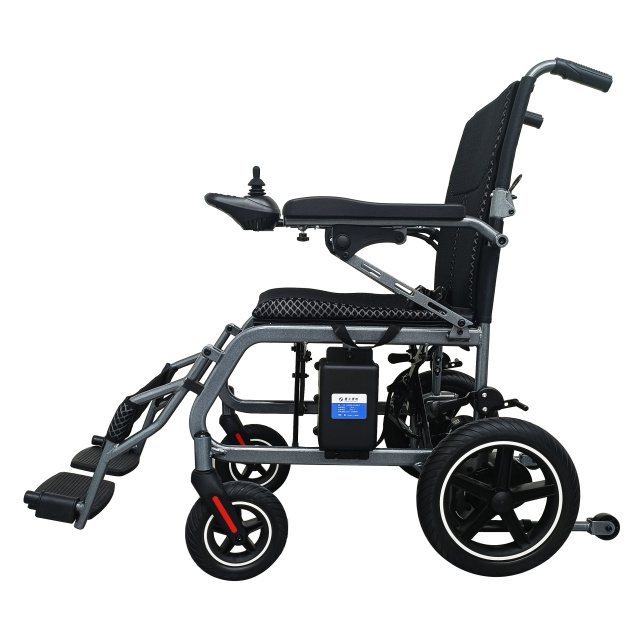
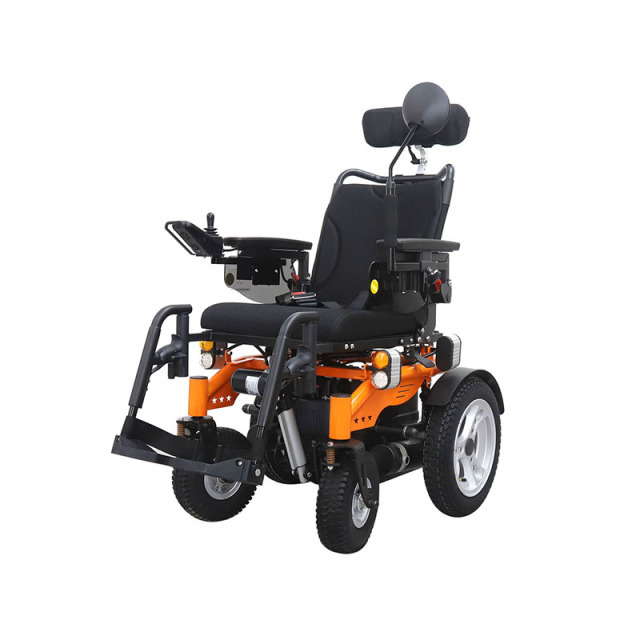
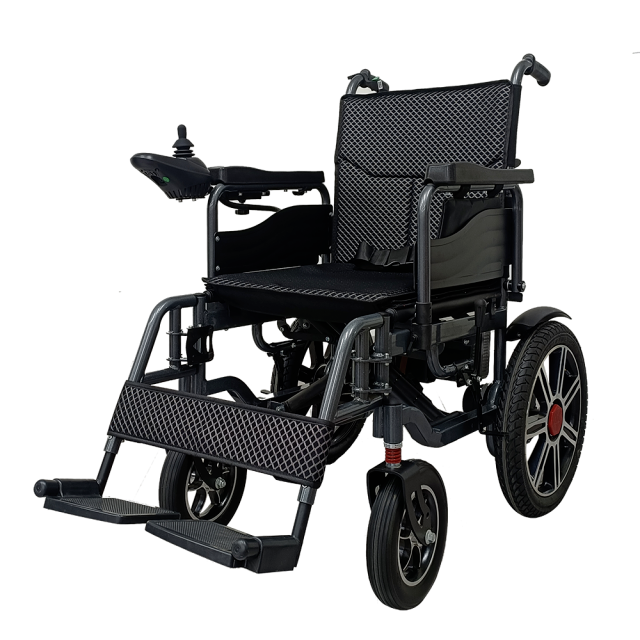
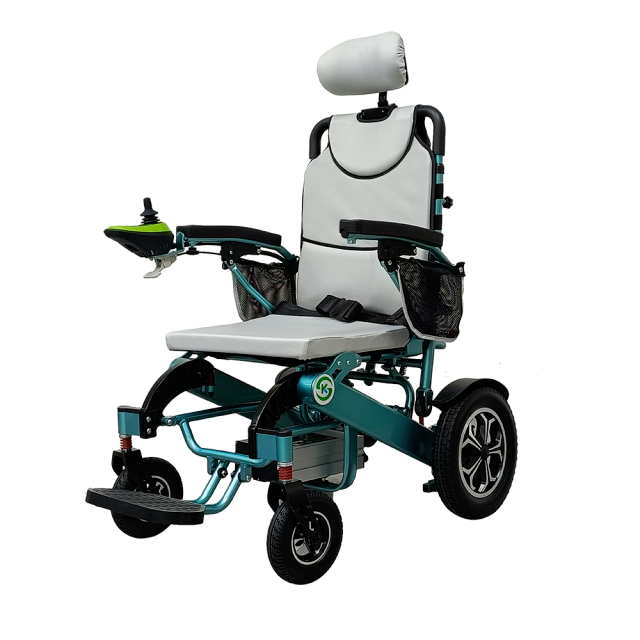
Electric wheelchairs, on the other hand, are powered by motors and batteries, eliminating the need for manual propulsion. They’re designed for users who lack upper body strength, need to travel longer distances, or want greater independence. Modern electric wheelchairs offer features like adjustable speed, 360-degree turning, and even standing or reclining functions, making them versatile for both indoor and outdoor use. They also reduce physical strain, allowing users to conserve energy for other activities. The main drawbacks? Electric wheelchairs are typically heavier, more expensive, and require regular battery maintenance and charging.
When deciding which is better, consider your daily needs: Do you travel frequently? Do you have the upper body strength to propel a manual wheelchair? What’s your budget? For short trips, indoor use, or tight spaces, a manual wheelchair may be sufficient. For longer distances, outdoor use, or limited upper body strength, an electric wheelchair is likely the better investment. Many users also opt for a hybrid model—an electric wheelchair that can be manually propelled when needed—for added flexibility.
Remember, the best choice is one that aligns with your lifestyle, physical abilities, and long-term needs. Take the time to test both types if possible, and consult with a mobility specialist to ensure you select the right wheelchair for you.