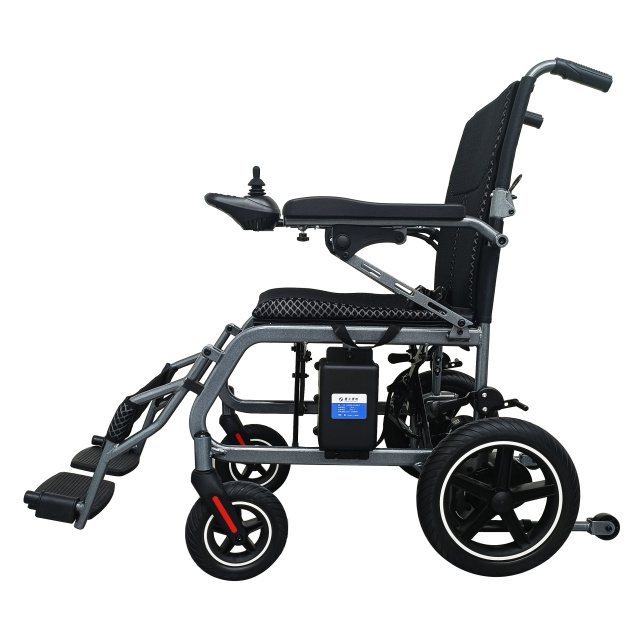
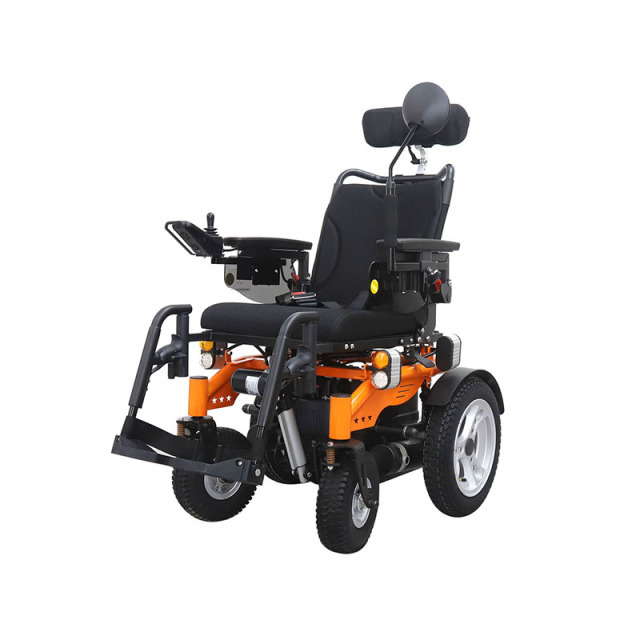
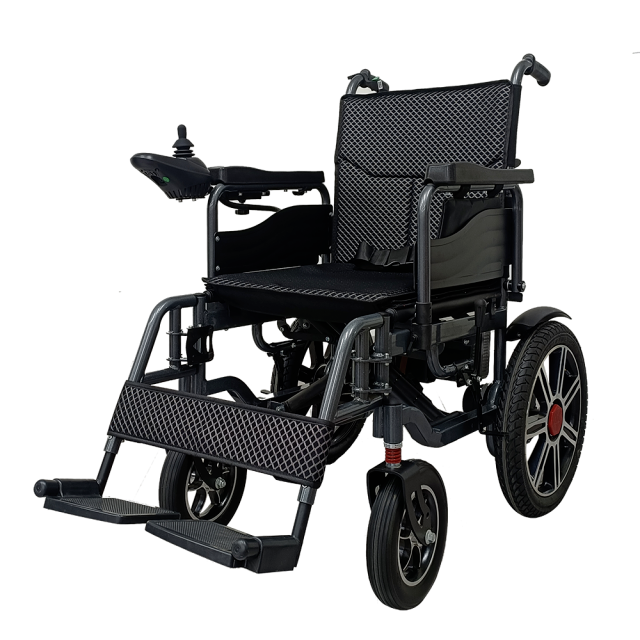
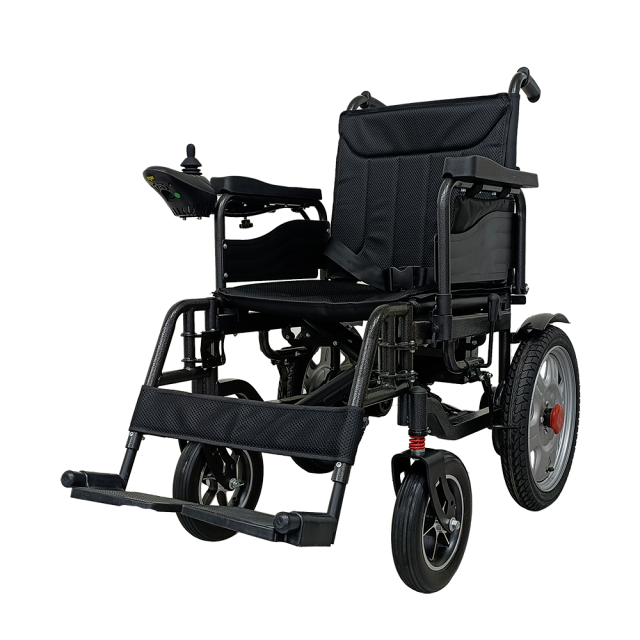
Affordable Electric Wheelchairs: Budget Buying Guide Without Sacrificing Quality
Electric wheelchairs provide life-changing independence, but their price tags can be intimidating. Premium models can cost thousands of dollars, putting them out of reach for many individuals and families on limited budgets. However, affordable options do exist that deliver reliable performance, safety, and comfort without breaking the bank. The key is knowing which features are essential and which can be skipped, how to identify quality among low-cost models, and where to find the best value. This guide helps budget-conscious buyers find an affordable electric wheelchair that meets their needs without compromising on safety and durability.
1. Understanding Electric Wheelchair Price Ranges
Electric wheelchair prices generally fall into four tiers:
- Budget tier ($500–$1200): Basic folding models with lead-acid or small lithium batteries, 15–20 km range, and 100 kg weight capacity. Suitable for occasional use and indoor travel.
- Mid-range tier ($1200–$2500): Good build quality, lithium batteries, 20–30 km range, comfortable seating, and reliable branded controllers. Suitable for daily use both indoors and outdoors.
- Premium tier ($2500–$5000): Advanced features such as full suspension, power recline, long-range batteries, and premium ergonomic seating. Designed for full-time intensive use.
- Custom/medical tier ($5000+): Fully customized seating, specialized control systems, and standing functions. Prescribed for users with complex medical needs.
Budget buyers should focus on the budget to lower mid-range tier. With careful selection, users can find reliable daily-use models under $1500.
2. Non-Negotiable Features on Any Budget
Certain features are essential for safety and basic functionality. Never sacrifice these to save money:
- Electromagnetic braking system: The safest and most reliable braking method. Avoid models with only manual friction brakes.
- Anti-tip wheels: Prevent backward tipping on slopes and ramps.
- Frame strength: Certified weight capacity that exceeds the user’s weight by at least 20%.
- Basic ergonomic seat: Padded cushion and backrest that provide adequate support.
- Reputable controller: Branded controllers from known manufacturers are more reliable and have better spare parts availability.
- Clear warranty: At least 1 year frame warranty and 6 months battery warranty.
3. Features You Can Skip to Save Money
You can reduce cost significantly by opting out of premium features you may not need:
- All-terrain capability: If you mostly use the chair on paved surfaces, standard indoor-outdoor models work fine and cost much less.
- Power recline and tilt: Manual recline or fixed backrests work for most users. Power positioning is a luxury that adds hundreds of dollars.
- Ultra-lightweight carbon fiber: Aluminum frames are heavier but much more affordable and still durable.
- Extra-long range: Most daily use requires only 15–20 km. Larger batteries add cost and weight.
- Smart features: Bluetooth connectivity, app control, and GPS navigation are nice but unnecessary for basic mobility.
- Brand premium: Well-known medical brands charge more for their name. Many lesser-known manufacturers produce comparable quality at lower prices.
4. Lead-Acid vs. Lithium Batteries on a Budget
Battery type is one of the biggest price factors.
- Lead-acid batteries: Much cheaper upfront. They are heavy, have shorter lifespan (1–2 years), and require occasional maintenance. For users on a very tight budget who use the chair occasionally, lead-acid is acceptable.
- Lithium-ion batteries: More expensive initially but last 3–5 years, are lighter, and charge faster. For daily users, lithium batteries actually offer better long-term value because they need replacement less often.
Budget recommendation: If you can stretch the budget slightly, choose the lithium option. The total cost of ownership over 5 years is often lower than replacing lead-acid batteries every year.
5. Where to Find Affordable Electric Wheelchairs
- Direct from manufacturers: Buying factory-direct cuts out middleman markup. Many Chinese manufacturers offer quality models at wholesale prices with international shipping.
- Online marketplaces: B2B platforms offer competitive pricing, especially for bulk orders. Always verify seller reputation and certifications.
- Used and refurbished: Certified refurbished wheelchairs can save 30–50%. Ensure batteries have been replaced and the unit has been fully inspected.
- Insurance and subsidy programs: Many countries have government disability benefits, health insurance coverage, or charitable programs that partially or fully fund electric wheelchairs. Research local options before purchasing out of pocket.
- Rental options: For short-term needs (post-surgery recovery, temporary mobility issues), renting is often cheaper than buying.
6. Red Flags to Avoid With Cheap Models
Not all low-priced electric wheelchairs are good value. Watch out for these warning signs:
- No certification marks (CE, ISO 13485, FDA)
- Vague or missing warranty information
- No spare parts availability
- Extremely light weight capacity claims for a cheap model
- Reviews reporting early motor or battery failure
- Unbranded controllers and motors
If a deal seems too good to be true, it probably is. A very cheap wheelchair that breaks down after 6 months is worse value than a slightly more expensive one that lasts 5 years.
7. Getting the Best Value: Final Tips
- Prioritize reliability over extra features
- Calculate total cost of ownership including battery replacement
- Check shipping and import costs when buying internationally
- Read reviews from verified buyers with similar needs
- Ask about spare part pricing before purchasing
- Consider buying from suppliers with local service partners
Conclusion
Affordable electric wheelchairs do not have to mean low quality or unsafe products. By focusing on essential safety features, skipping unnecessary premium options, choosing the right battery type, and buying from reputable sources, budget-conscious buyers can find reliable mobility solutions that fit their financial situation. The goal is to find the best balance of upfront cost and long-term value, ensuring the wheelchair serves the user dependably for years without creating ongoing financial strain.