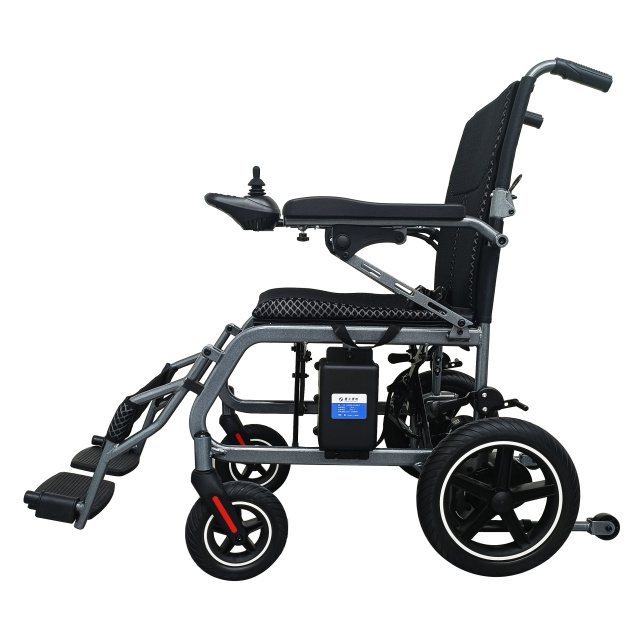
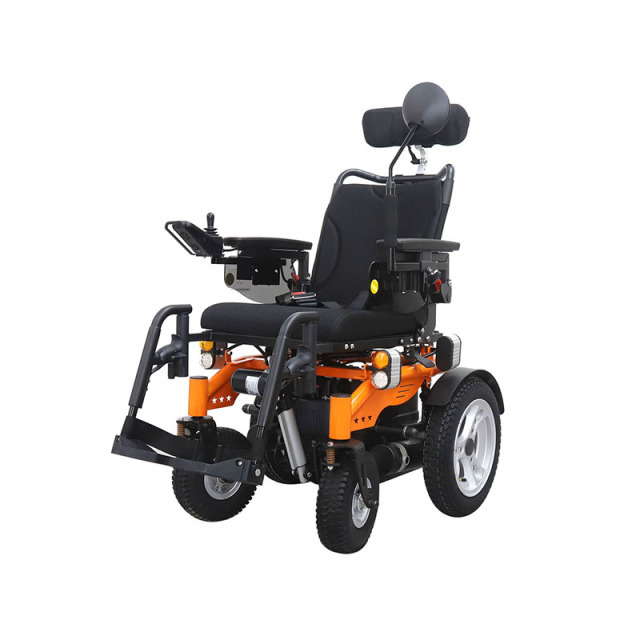
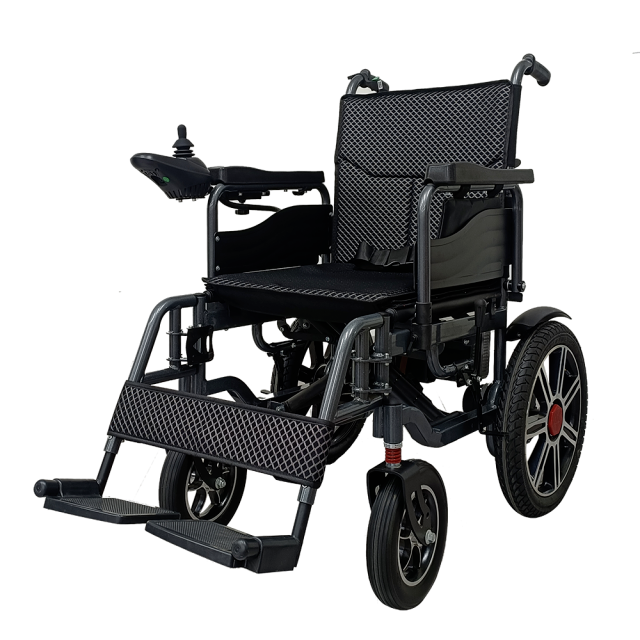
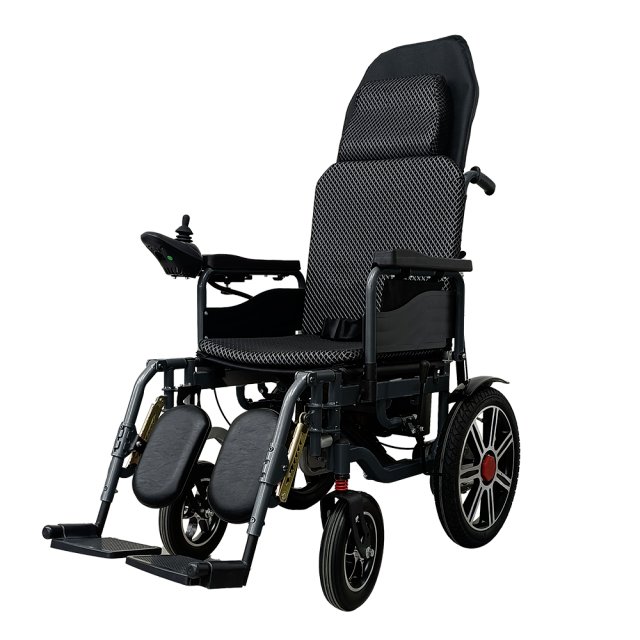
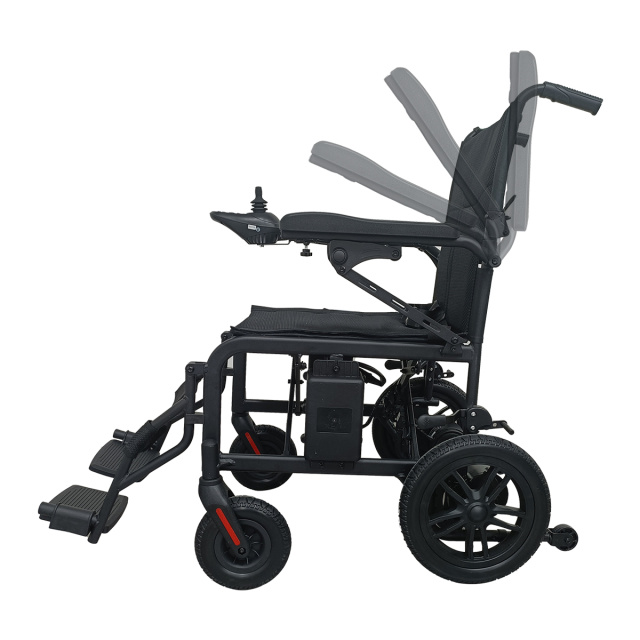
Electric Wheelchairs for Seniors: Safety, Comfort, and Ease of Use Guide Introduction
As people age, reduced strength, balance problems, and chronic health conditions can make walking difficult or unsafe. Electric wheelchairs offer seniors a way to maintain independence, stay socially active, and reduce fall risk. However, many power wheelchairs on the market are designed for younger users with disabilities and may be overly complex, difficult to control, or uncomfortable for elderly users. This guide focuses on the specific needs of senior users, explaining which features matter most, how to ensure safety, and how to choose a model that supports rather than overwhelms older adults.
1. Why Seniors Benefit From Electric Wheelchairs
Manual wheelchairs require upper body strength and endurance that many seniors lack. Using a manual chair can lead to shoulder pain, fatigue, and frustration. Electric wheelchairs offer several key benefits for the elderly:
- Reduced physical exertion: Users travel without pushing, conserving energy for daily activities and social interaction.
- Fall prevention: Stable seated mobility eliminates the balance risks associated with walkers and manual wheelchairs.
- Increased social participation: Longer battery range allows seniors to visit friends, go shopping, and attend community events they might otherwise skip.
- Reduced caregiver burden: Seniors can move around the home independently, reducing the need for constant assistance.
- Improved mental health: Maintaining independence and staying active reduces risk of depression, cognitive decline, and social isolation.
2. Essential Safety Features for Senior Users
Safety is the top priority when selecting an electric wheelchair for an older adult.
- Electromagnetic braking: Automatically stops the chair the moment the joystick is released. No manual braking effort required.
- Anti-tip wheels: Prevent backward tipping when climbing ramps or reaching upward.
- Low maximum speed: Senior-focused models typically cap speed at 4–6 km/h rather than the 8–10 km/h of performance models. Slower speeds give users more reaction time.
- Seat belt and padded backrest: Secure harnesses prevent sliding and falling. High backrests provide trunk support for users with weak core strength.
- Stable wide base: Wider wheelbase lowers center of gravity and improves side-to-side stability.
- Bright LED lighting: Improves visibility both for the user and for others around them, especially important for seniors with declining vision.
3. Ease of Use and Intuitive Controls
Complex controls are a common barrier for elderly users, especially those with cognitive decline or limited tech experience.
- Simple joystick controller: Large, ergonomic joystick knob that is easy to grip even with arthritic hands. Minimal buttons—ideally only power, speed selection, and horn.
- Adjustable sensitivity: Multiple speed modes let users start slow and build confidence. Low-speed mode for indoor maneuvering and higher speed for outdoor walks.
- Clear status indicators: Large, easy-to-read battery gauge and speed indicator lights. Avoid small digital screens with complex menus.
- Left/right interchangeable controller: Accommodates users with stronger function on one side due to stroke or arthritis.
4. Comfort Design for Long-Term Use
Seniors often spend many hours daily in their wheelchair, so comfort directly affects quality of life.
- Plush pressure-relieving seat: High-density foam with soft top layer reduces pressure points. Gel cushions are recommended for users who sit for 6+ hours daily.
- Adjustable backrest: Reclining backrests allow users to rest and nap comfortably. Tilt-in-space function shifts weight without changing seated posture.
- Padded armrests: Wide, cushioned armrests support arms comfortably. Flip-up design enables easy transfers.
- Elevating footrests: Reduces leg swelling and improves circulation, common issues for elderly users with sedentary lifestyles.
5. Portability and Caregiver Friendliness
Many seniors rely on family members or caregivers for transport and maintenance.
- Lightweight folding design: Makes it possible for caregivers to load the chair into a car for doctor appointments and family outings.
- Easy battery charging: Simple plug-in charging with clear indicator lights. Removable batteries allow charging without moving the whole chair.
- Low maintenance: Brushless motors and solid tires reduce the frequency of repairs and adjustments.
- Clear user manual: Large-print instructions with pictures, and multilingual support where needed.
6. Common Mistakes to Avoid
- Buying too much chair: Advanced features like all-terrain capability and high speed are unnecessary for most seniors and can be dangerous.
- Ignoring transfer height: The seat should be at a similar height to the user’s bed, sofa, and toilet for safe transfers.
- Skipping professional assessment: Consult an occupational therapist to ensure proper fit and suitability for the user’s specific conditions.
- Neglecting training: Allow sufficient practice time in a safe open area before regular use. Many seniors need several sessions to build confidence.
Conclusion
For seniors, an electric wheelchair is an investment in independence, safety, and quality of life. The best models for elderly users prioritize simplicity, stability, comfort, and safety over raw performance and advanced features. By selecting a senior-appropriate model and providing adequate training and support, families can help their loved ones stay active, engaged, and safe at home and in the community.